

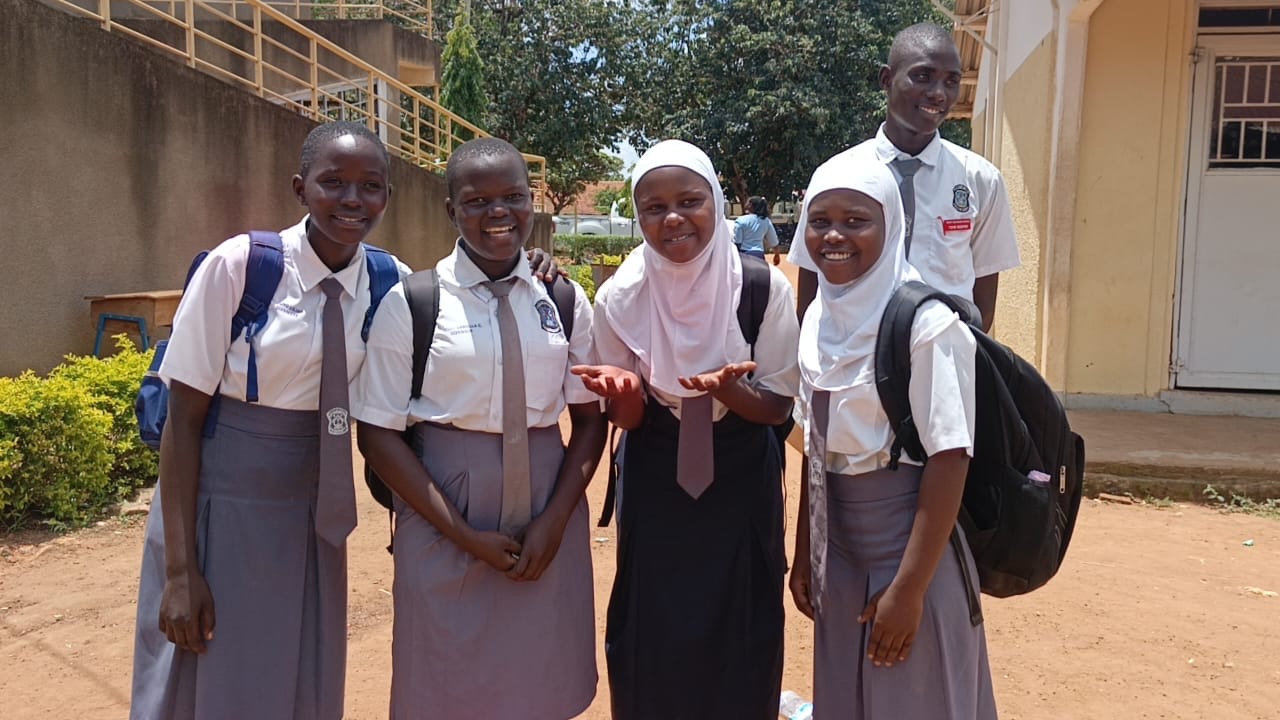
The Inspectorate of Government has intensified efforts to combat corruption by engaging secondary school students in a nationwide awareness campaign aimed at nurturing a culture of integrity among young people.
Officials say the initiative focuses on prevention by equipping learners with knowledge about the dangers of corruption and the importance of accountability from an early age.
As part of the programme, the Inspectorate is establishing Integrity Ambassadors Clubs in schools to promote transparency, ethical leadership, and civic responsibility.
According to Christine Lamwaka, Manager for Advocacy and Capacity Building at the Inspectorate, empowering students to recognise and reject corrupt practices can help shape responsible future leaders.
The campaign has already gained traction in the Teso Sub-region, with several institutions including Soroti Secondary School, Teso College Aloet, Ngora High School, and Bukedea Comprehensive School participating in the programme.
Students involved in the clubs say the initiative is already changing their perception of corruption and civic duty, with many expressing confidence that the knowledge gained will help them resist dishonest practices and promote accountability within their communities.
Teachers have also welcomed the campaign, noting that schools play a vital role in shaping the values that guide young people throughout their lives. Educators believe that integrating integrity education into school activities will encourage respect for national institutions and ethical conduct in both public service and business.
The initiative comes at a time when corruption continues to impose significant economic costs on Uganda.
Reports from the Inspectorate estimate that the country loses between Shs9.1 trillion and Shs10 trillion annually to corrupt practices—nearly a quarter of the national budget.
A substantial share of these losses is linked to sectors such as environmental management, public procurement, natural resource exploitation, and public service delivery.
Environmental degradation and weak regulation alone account for losses estimated at about Shs2.28 trillion each year, while public sector absenteeism is believed to cost approximately Shs2.3 trillion.
Corruption in natural resource contracts related to oil, gas, and minerals contributes to further losses of about Shs868 billion annually.
Despite ongoing enforcement efforts, only a small portion of the lost funds is recovered each year. Recent reports indicate that authorities have recovered about Shs7.9 billion out of the nearly Shs10 trillion lost annually, underscoring the need for stronger preventive strategies such as civic education and community engagement.
Through debates, mentorship programmes, peer education, and community outreach, the Integrity Ambassadors Clubs aim to empower students to speak out against corruption and promote accountability in everyday life.
Officials believe that instilling strong values of integrity among young Ugandans could help reduce corruption in the long term, improve public service delivery, and strengthen public trust in national institutions.
